The results of the 2026 Canada Beer Cup were announced last night and there are a lot of familiar faces on the medal table. The results also point to shifting regional strength in Canadian craft brewing. Here are my thoughts.
First, I should acknowledge I was a judge for the competition this year, which took place in Calgary in early September. We worked through 1900 entries in two days, which is a remarkable feat of organizing if I do say so myself. I also had the honour of participating in the Best of Show panel, alongside some of the most respected judges in the world. But, of course, judging is blind and so I had no idea whose beer I was sampling.
It was an average year for prairie-based breweries. Alberta breweries picked up 26 medals (9 gold), down one from last year, while Saskatchewan won 7 (4 gold), up from 4, and Manitoba a single silver medal, down from three medals. Calgary’s The Establishment Brewing was the biggest prairie winner, scooping up three golds (in Fruit Beer, Hop-Forward Lager and Mixed Fermentation Ale) and a silver, followed by Edmonton’s Polyrhythm Brewing with two golds (Imperial Stout and Strong Ale) and a bronze. Nokomis and Eighty-Eight were other multiple medal winners.
The list of winners shows a lot of consistency with past winners once again mounting the podium. This includes well-known names such as Blindman, Medicine Hat, Ol’ Beautiful, Rebellion, Troubled Monk and Two Pillars all scooping up a medal again this year.
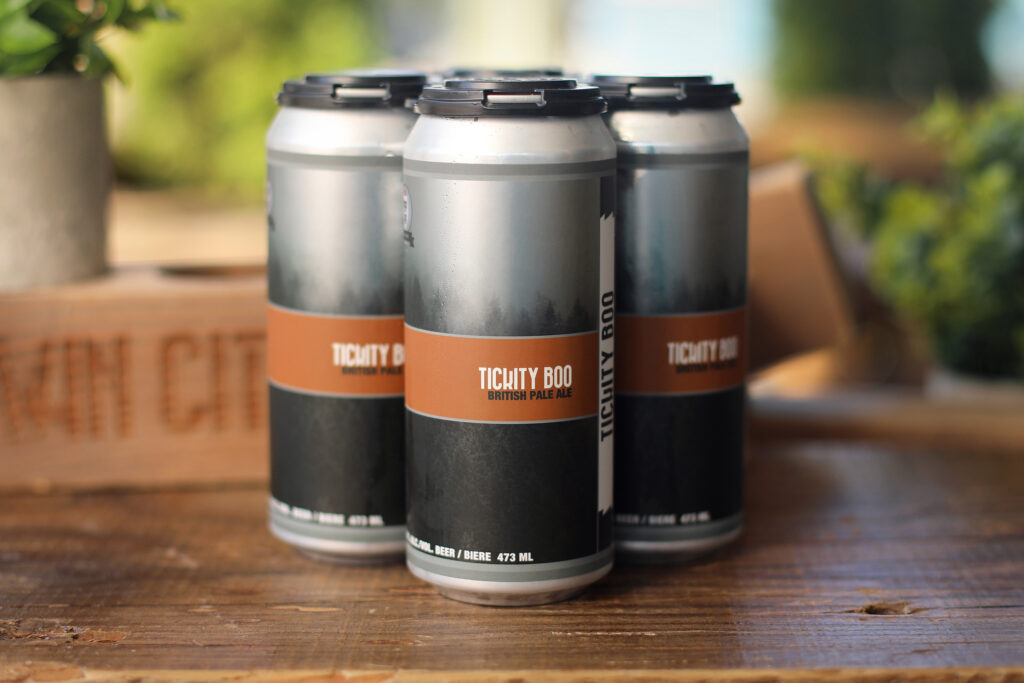
In fact, the winners’ list looks remarkably familiar across the country. Big winners included Dageraad, Smithers, Saint Andrew’s and Frampton Brasse. Best In Show went to a brilliant little English Pub Ale called Tickety Boo by Twin City Brewing out of Port Alberni. Tickety Boo was in the first flight given to the BOS judges and it survived multiple rounds against beer of increasingly bigger strength and complexity. A testament to just how good that beer was.
Once again, B.C. breweries dominated the medal table, taking 39% of available awards. Alberta, interesting, moved into second with 26 medals, followed by Ontario at 18 and Quebec with 15. Of particular note, P.E.I. scooped up six medals, two of each colour, which means BY FAR they won the most per capita. Nicely done, Islanders.
Which leads me to my main takeaway from the 2026 edition of the Canada Beer Cup. Over the five years the competition has been running we are clearly seeing a shift in regional balance in medal winners. Ontario, B.C.and Quebec were relatively equal in the first year, with all regions farther back. However over the proceeding years, Ontario and Quebec have been steadily dropping back in percentage of medals won. Both provinces won fewer than half the medals they did in the first year. In contrast, Alberta and Atlantic Canad have gained in their share of awards. Aside from the first year, B.C. breweries have consistently won about 40% of medals on offer. See the table below for the totals.
Table 1: CBC Medals by Region
| Province | 2026 | 2025 | 2024 | 2023 | 2022 |
| B.C. | 56 (39%) | 51 (38%) | 68 (41%) | 70 (36%) | 46 (25%) |
| Alberta | 26 (18%) | 27 (20%) | 31 (19%) | 30 (15%) | 21 (11%) |
| Sask./Man. | 8 (6%) | 7 (5%) | 10 (6%) | 12 (6%) | 9 (5%) |
| Ontario | 18 (13%) | 20 (15%) | 27 (16%) | 35 (18%) | 54 (30%) |
| Quebec | 15 (11%) | 20 (15%) | 16 (10%) | 30 (15%) | 40 (22%) |
| Atlantic | 18 (13%) | 10 (7%) | 14 (8%) | 17 (9%) | 13 (7%) |
| Territories | 1 (1%) | 0 (–) | 0 (–) | 2 (1%) | 0 (–) |
B.C.’s dominance is clear. What is also clear is that the share of medals being shed by Ontario and Quebec seems to move to Alberta and the Atlantic provinces. There is, of course, some variation from year to year, which is to be expected, but the trends lines are clear.
What is the reason for this shift? To be honest, I don’t know. One possible explanation is that Ontario and Quebec breweries are entering less than in the past. That the judging took place in Calgary the last two years might suggest that is possible as breweries might not want the expense of shipping across the country. As I do not have access to the entry data, I can only speculate on this, but it is not an unreasonable factor.
That said, I don’t really buy it. Even if fewer breweries are entering, that wouldn’t fully explain the drop in medals. The cream does rise to the top, and it seems breweries who have had previous success at competitions would be likely to keep entering, and the costs, overall, are not that significant.
A second possibility is that shipping greater distances impacts the condition of the beer upon arrival. Maybe. Travel shock is a thing in beer. However, entries have ample time to settle back in before judging and are stored cold. Besides, Atlantic breweris has their best year this year and they had the farthest to ship their beer.
I think the most plausible reason is that the quality of beer in other regions is catching up to what was the big three. Craft beer industries in the prairies and Atlantic Canada are relatively younger and definitely smaller – both in terms of number of breweries and brewery size. For many years they faced less competition and a less experienced customer base (which doesn’t reduce quality, but may mean beer are brewed for sales, not stylistic accuracy). But that is not true anymore. With the headwinds being experienced across the industry, no brewery can afford to not have their product dialed in. And internal competition, especially in Alberta, has intensified. The end result is that breweries in those regions are upping their game, making the Canada Beer Cup more competitive as well.
Have Ontario and Quebec breweries been not keeping up in the quality race? I can’t speak to that as I am not close enough to those industries to speak with confidence. But there may be something to the fact breweries in those provinces are more established and may be less able/willing/need to mix things up. And it might, therefore, show in award results.
This is, of course, speculation. And beer competitions are not ideal tools for measuring beer quality given they must judge to defined styles. But I do think the awards results offer a useful proxy for the state of craft beer in Canada. There is a reason we see the same breweries (and beer!) on the medal table year after year and across competitions. At the end of the day the best beer tends to win more often than not. Which means the geographic location of those medals is relevant for understanding who is making the best beer, in broad strokes.
At least statistically.

Leave a Reply